There is a particular kind of loneliness that doesn’t announce itself.
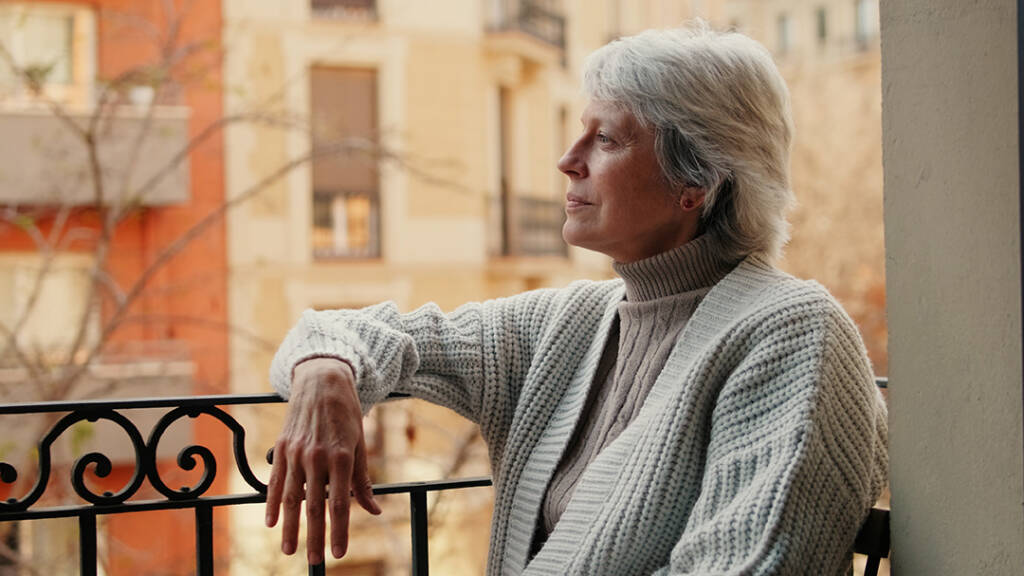
It isn’t the loneliness of an empty apartment or a Friday night with nowhere to go. It’s quieter than that. It’s the loneliness of being surrounded by people — a full calendar, a long contact list, colleagues who like you — and still feeling unseen. Still feeling like the version of yourself that other people know is only partial. Still going to bed at night with the sense that nobody is really keeping track of you.
That loneliness is epidemic. And it is survivable. But not alone.
The Research on Loneliness Is Alarming — And Personal
In 2023, the U.S. Surgeon General issued an advisory declaring loneliness a public health crisis. Not a mood. Not a personality trait. A crisis, with measurable consequences for physical health, cognitive function, and lifespan.


The numbers are stark: more than half of American adults report measurable loneliness. Social isolation increases the risk of premature death at a rate comparable to smoking fifteen cigarettes a day. The health effects are not metaphorical — they are biological, showing up in inflammation, cardiovascular disease, and cognitive decline.
Loneliness is not defeated by being less alone. What loneliness cannot survive is a circle..
And women are not exempt. In fact, women over forty — who are statistically more likely to be divorced, widowed, relocated, or simply past the life stages that naturally produce friendship — are among the most quietly affected.
We are not talking about sadness. We are talking about a structural problem with a structural solution.
Why Adult Friendships Feel So Out of Reach
Adult loneliness and the difficulty of making friends as an adult share the same root cause: the structures that once produced connection automatically no longer exist.
In childhood and early adulthood, friendship happened because school, dormitories, and early workplaces put the same people in the same room, repeatedly, over time. That combination — proximity, repetition, shared context — is what researchers identify as the engine of close friendship. Remove it, and friendship doesn’t disappear. It just requires intention.
Most of us were never taught how to have that intention. So we wait. We assume that good friendships will find us the way they once did, and when they don’t, we conclude something is wrong with us.
Nothing is wrong with you. The delivery system broke. That’s all.
This is true whether you’re starting over after divorce, building a new life in a new city, or simply looking around at forty-five and realizing that the friendships you have don’t quite carry the weight you need them to carry. Friendship after divorce, friendship after a move, friendship after loss — they all require the same thing: a deliberate structure that puts you in proximity with the same people, more than once, over time.
What Loneliness Cannot Survive
Loneliness is not defeated by being less alone. You can be in a crowd and still be lonely. You can have a hundred social media followers and still go to bed feeling invisible.
What loneliness cannot survive is a circle.
Not a network. Not a list of contacts. A circle — a small group of people who gather regularly, who have accumulated shared experience, who have enough history with each other to skip the performance and get to the real thing.
The difference between a friend and a circle is the difference between a single load-bearing wall and a foundation. Both matter. But only one of them holds the whole structure up.
A circle has rhythm — it meets consistently, not just when something comes up. It has intimacy — built not through crisis but through the ordinary accumulation of time spent together. It has belonging — the particular kind that comes from being known not just by one person, but by a group that holds a version of you that you can return to, even when everything else shifts.
That is what loneliness cannot survive. Not a single friendship, as precious as that is. The circle.
The Table as a Starting Point
The oldest technology for building circles is a table.
Not metaphorically — literally. Shared meals are one of the most well-documented engines of social bonding across cultures, time periods, and demographics. Eating together lowers cortisol. It sustains conversation at a length that allows for real disclosure. It creates the rhythm and repetition that friendship requires.
This is why the dinner club has become one of the most effective modern structures for combating adult loneliness — not because it is fancy, but because it is consistent. A group of women. The same table. Once a month. That rhythm, maintained over time, is what builds a circle.
It is how I found mine. After divorce, after relocation, after loss, after all the seasons of life that scattered the connections I had built over decades — I built a table. And the table held.
Belonging is Built, Not Found
One of the most damaging myths about belonging is that you either have it or you don’t — that some people are naturally connected, naturally central to a group, naturally surrounded by warmth, and others simply aren’t wired that way.
The research doesn’t support that. Belonging isn’t a personality trait. It’s a practice. And like all practices, it can be learned, developed, and — most importantly — initiated.
The women who have the circles we quietly envy didn’t stumble into them. They hosted the first dinner. They made the first call. They said, out loud or just to themselves, I want this, and I am going to build it.
That sentence is available to you too.
Intertwined: Friendships That Shape a Life
Intertwined: Friendships That Shape a Life is a book about exactly this.
It’s part memoir, part research, part field guide — written for the woman who is navigating adult friendship in the years when it’s hardest, and who wants something more honest than “just put yourself out there.”
It is built around real stories: the friendship that formed in a preschool pickup line and became the one that showed up when everything fell apart. The parking garage conversation that took five years to become a close friendship. The circles built from scratch after divorce, after moves, after loss — and what made them hold.
It is also practical. Intertwined doesn’t just name the problem. It walks you through what building a circle actually looks like, step by step, in real life, at any age.
If you have been living with the quiet version of loneliness — the kind that doesn’t have a name yet — this book was written for you.
You Don’t Have to Stay Here
The research on adult loneliness is alarming. But it is not a verdict.
It is a description of what happens when we leave connection to chance in a season of life that doesn’t support it. Change the approach, and you change the outcome.
Build the circle. Set the table. Make the first move.
Loneliness cannot survive what you are capable of building.
Rhonda Krill is the founder of DinnerTwine, a platform for hosting and managing dinner clubs, and the author of Intertwined: Friendships That Shape a Life (Princewood Press, 2026).