
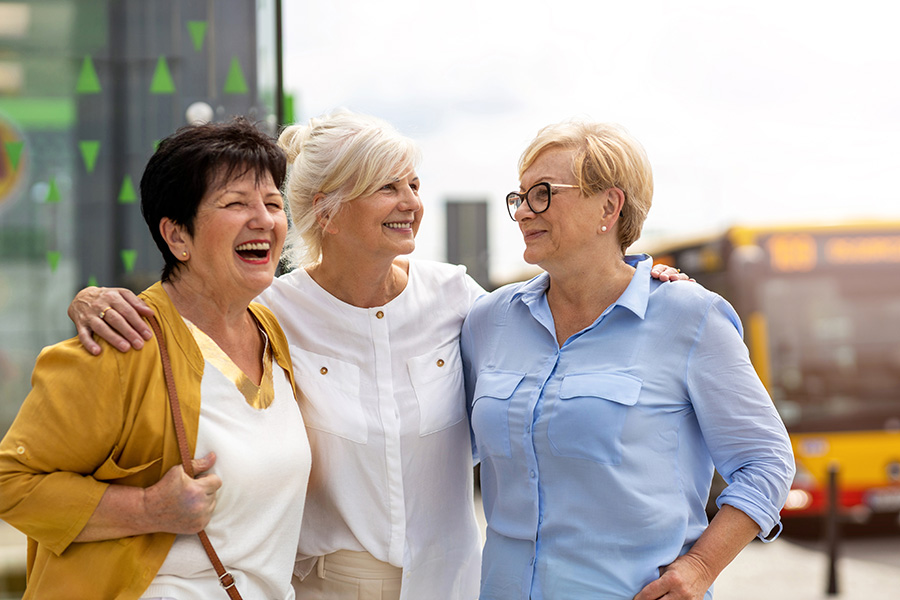
“We are built for circles.”
This chapter explores what happens when people keep showing up for one another long enough to become part of each other’s lives. Circles may begin as book clubs, Bible studies, dinner groups, retreats, or gatherings around a table, but over time they become something much deeper: a net, a rhythm, and a shared way of carrying life.
1. Circles Make Our Lives Visible
In the MOPS group, the exhaustion of young motherhood was witnessed by women who understood what it cost just to get everyone dressed and out the door.
Discussion:
When have you felt truly seen by a group of people? What did they understand about your life that others may have missed?
2. Circles Interrupt Loneliness
The loneliness of motherhood was interrupted by coffee, crafts, laughter, and other women’s faces around the table.
Discussion:
Have you ever experienced loneliness even while surrounded by responsibilities or people? What kind of gathering helped, or could have helped, interrupt that loneliness?
3. Circles Create Safety Through Consistency
The Tuesday morning book club became a steady rhythm after divorce. Every Tuesday at ten, the women came.
Discussion:
What regular gathering has given you a sense of stability? Why does consistency matter when life feels uncertain?
4. Laughter Can Restore Dignity
In the sanitary-pad story, laughter did not humiliate Rhonda. It restored her. She was loved enough to be ridiculous and still belong.
Discussion:
When has laughter helped you survive a hard season? Who are the people with whom you can be fully human, awkward, and still loved?
5. Circles Are Not Complication-Free
The singles group included leftovers, boundary issues, strong personalities, and people who needed correction.
Discussion:
What kinds of friction tend to show up in groups? How can a circle make room for ordinary human imperfection without losing its purpose?
6. Circles Require Boundaries
The man who turned Bible study into his pulpit had to be told that people came to be known, not preached to.
Discussion:
Have you ever had to set a boundary in a group or friendship? What made it difficult? What did that experience teach you?
7. Circles Make Room for Joy
Maralyn’s karaoke performance reminded the group that delight, humor, and surprise are also part of belonging.
Discussion:
Who brings joy into your circle? When has someone’s gift changed the atmosphere of a room?
8. Circles Deepen When People Stay
The dinner club became something more than dinner when the same women kept showing up, month after month, until trust had room to grow.
Discussion:
What does it take for a casual group to become a trusted circle? What helps people move from attendance to real belonging?
9. Sometimes We Join a Circle Someone Else Built
Maralyn invited Rhonda into an existing circle with four simple words: “Come with us.”
Discussion:
Have you ever been welcomed into a group you did not build? What helped you feel included? Is there someone standing outside your circle who may need the same invitation?
10. Circles Help Us Carry What We Cannot Carry Alone
The chapter ends with the truth that none of the circles solved Rhonda’s problems, but all of them helped her carry them.
Discussion:
What burden in your life became lighter because other people helped you carry it? What burden are you currently carrying that may need a circle around it?
Closing Reflection
Circles do not have to be large, perfect, or formal. They begin with one invitation, one recurring gathering, one shared table, one woman willing to say, “Come with us.” Over time, those ordinary gatherings can become the structure that holds us through motherhood, divorce, loneliness, grief, celebration, and change.
What kind of circle do you need in this season of life?
A Simple Challenge
This week, think about one circle you already have, or one you may need to build. Reach out to one person in that circle. Send the text. Extend the invitation. Ask her to come with you.
The circle may begin smaller than you imagined.
Let it begin anyway.